
Why Premium Campers Typically Cost Less to Own Than a Cheaper Import
At first glance, comparing a premium camper to a mass-produced import can look like a simple price exercise. One has a higher entry price. One looks more affordable on paper. For some buyers, that lower upfront figure can feel like the obvious choice.
But camper ownership is not just about the number on the invoice. It is about what you own while you have it, how well it stands up over time, and what it is worth when you decide to move it on.
That is where the difference between a low-volume premium camper like a Rhinomax and a high-volume imported product becomes much clearer.
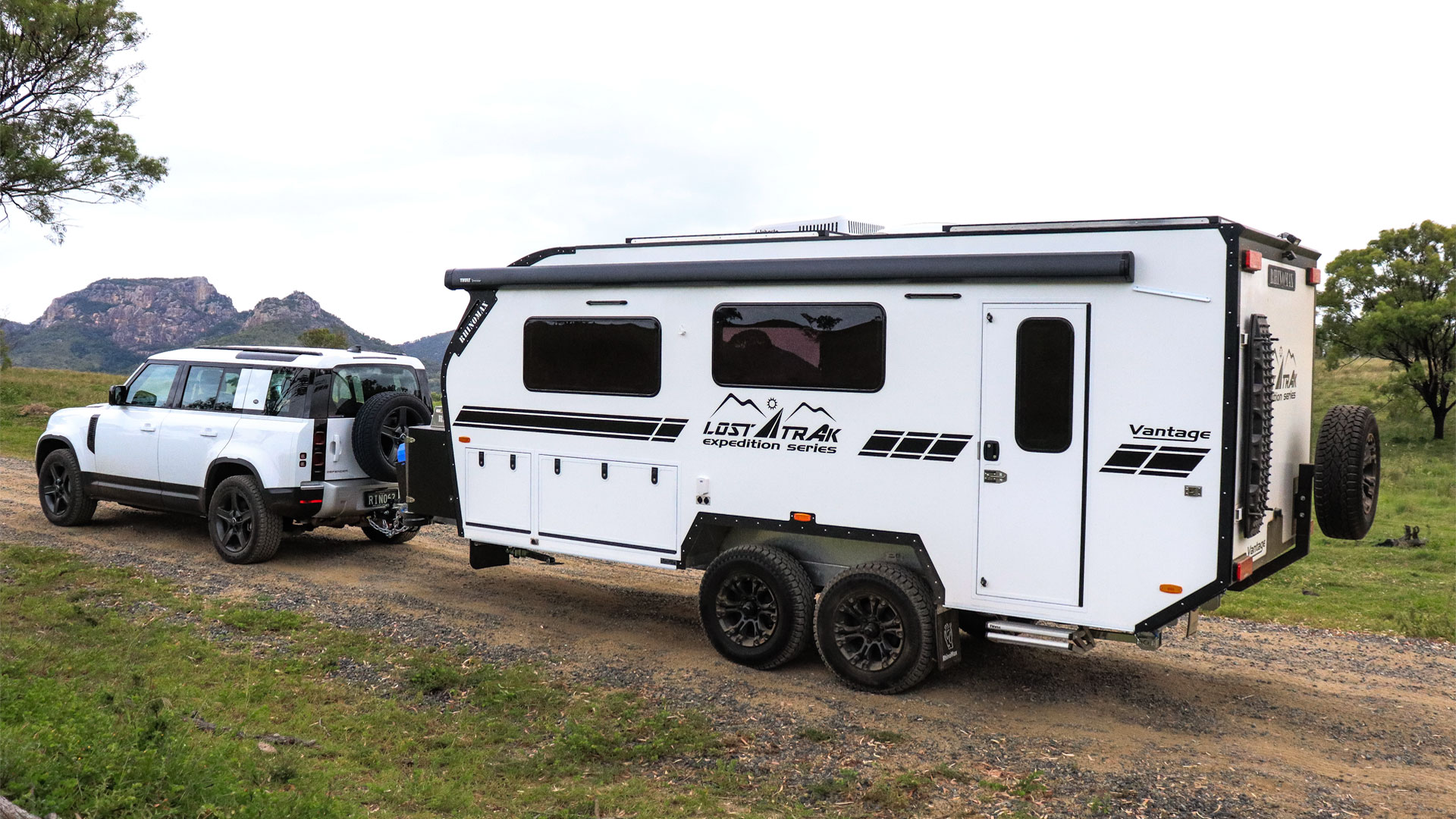
Two very different ways to build a camper
There is nothing inherently wrong with importing and retailing a high-volume camper. It is a legitimate business model, and it can serve plenty of buyers well. Importers are effectively buyers and sellers. They bring in stock, carry inventory, sell what is available, and keep the yard moving.
That model depends on efficiency. Products need to be built quickly. Components need to be sourced in bulk at competitive prices. Production stages need to stay on schedule. Inventory needs to turn. Pricing needs to remain sharp enough for the business to stay competitive.
Again, that is not a criticism. It is simply the reality of producing and selling a product in the most cost-effective way possible.
High-Volume
Production
Attention To
Detail
Resale &
Supply
A premium camper is built from a different starting point. It is not designed to fill a yard. It is not built for rapid turnover. It is not assembled to meet the lowest landed cost possible. It is built with far more emphasis on engineering, materials, longevity, and finish.
That difference in philosophy affects everything from structural quality and serviceability through to buyer demand and resale value years later.
- Built in smaller numbersMore time for detail, refinement, and quality control.
- Engineered for long-term ownershipPriority is placed on structure, materials, finish, and longevity.
- Lower market supplyFewer units available can support stronger demand in the used market.
- Not reliant on yard discountingThere is no pressure to clear rows of stock at reduced pricing.
- Built for speed and scaleEach stage must move quickly to keep production efficient.
- Bulk component sourcingParts are often selected around cost, availability, and purchasing efficiency.
- Higher stock availabilityMore supply in market can soften resale values over time.
- Discounting drives turnoverDealers often need stock moving to free up capital and floor space.
Why attention to detail is different in low-volume builds
When a product is required to move quickly through a high-volume line, there is naturally less opportunity for the same level of scrutiny at each stage. That does not mean the product is automatically poor. It means the economics of the process are different.
High-volume production rewards speed, consistency, and purchasing power. Premium production rewards detail, craftsmanship, and engineering discipline.
That is why buyers often notice the difference not just in how a premium camper looks, but in how it feels. Doors shut with more confidence. Cabinetry feels more solid. Systems feel more considered. Materials feel more substantial. The overall product feels like it was built to be lived with, not simply sold quickly.
The key point is this: the more a product is optimised for speed and landed cost, the harder it is to deliver the same level of detail, component quality, and long-term refinement as a camper built in smaller numbers with more time and care in the process.

The economics of stock yards and discounting
One of the most important factors in resale value has nothing to do with brochures or sales language. It is basic economics.
If a dealer has a yard full of campers, that stock represents tied-up capital. The business needs those units moving. The longer stock sits, the greater the pressure to discount, run promotions, or sharpen pricing to maintain cash flow and make room for incoming inventory.
That is a perfectly normal and rational way to run an imported stock-based business.
But it has a direct effect on used values.
If you are trying to sell your used camper while dealers are discounting new stock, your private sale is no longer competing only with other used listings. It is also competing against fresh stock, dealer finance offers, and promotional pricing. That usually puts downward pressure on what your camper can realistically achieve in the secondary market.
Supply, Demand, and Resale
When new stock is plentiful and discounted, the used market usually softens. When supply is limited and replacement takes time, the second-hand market tends to stay stronger.
Why built-to-order campers hold their value differently
Rhinomax campers are built to order. There is no yard full of finished campers waiting to go. The average wait time is around eight months, which means new supply is naturally limited.
That matters for resale.
Because there are fewer units available at any given time, and because ordering a new one takes time, used examples tend to attract serious interest. Buyers who want to enter the market sooner often look to second-hand campers rather than waiting months for a new build.
That stronger relationship between supply and demand is one of the reasons premium low-volume campers often hold their value better than many mass-produced alternatives.
We have seen customers buy a Rhinomax, enjoy it for a couple of years, then sell it for close to what they originally paid. Even where a sale price lands lower than the original invoice, the gap is often relatively small compared to the depreciation many buyers expect from a recreational vehicle.

The number that really matters: cost to own
This is where many people get the comparison wrong. They focus entirely on what the camper costs to buy, rather than what it costs to own.
The real cost is the difference between what you paid and what you got back when you sold it.
A simple example
Let us say one buyer spends more upfront on a premium camper, but exits the ownership period with only a small loss. Another buyer spends less to begin with, but loses far more when they sell.
A $150,000 camper that loses only $5,000 over two years.
A cheaper camper that drops $18,000 over the same ownership period.
In that scenario, the premium camper was actually the cheaper camper to own in the long run.
And that is before you account for the ownership experience itself. During that time, the owner of the premium camper also had the benefit of better materials, stronger engineering, a more bespoke finish, and a product that felt more considered every time they used it.
Premium is not just luxury. It is strategy
For the right buyer, paying more upfront is not just about wanting something nicer. It is a more strategic ownership decision.
You are buying into a product built in smaller numbers, with greater attention to detail, stronger component choices, and a lower-supply market position. You are also buying something that is less exposed to the pricing pressure of yard stock, dealer discounting, and high-volume turnover.
That does not mean every premium camper will outperform every import on resale. But it does mean the underlying economics are very different, and serious buyers should understand that before comparing headline prices alone.
What you are really paying for
When you buy a premium camper like a Rhinomax, you are not just paying for finishes or features. You are paying for the quality of the build philosophy behind it. Smaller numbers. More care. Better engineering. A more deliberate production process. A stronger position in the used market.
That is why a premium camper often makes more sense than it first appears.
Because the cheapest camper to buy is not always the cheapest camper to own.
See The Difference In Person
If you are comparing campers and want to understand the difference between premium low-volume construction and stock-based imported models, the best place to start is by seeing the product up close.
Because once you look beyond the sticker price, the ownership equation changes.
Book a Showroom Walkthrough